When people think of “marketing,” they often picture flashy ads, banners, or a big-name sponsorship. What they don’t usually see is the strategy behind the scenes. But that’s where the real impact happens. At the end of the day, marketing without data is just really expensive art.
The same goes for your equipment dealership. You might offer competitive prices on high-quality machines, but if your team isn’t ensuring that the right people are seeing them, your marketing budget may not deliver the return you’re looking for. Smart marketing efforts, backed by reliable lead data, can make all the difference when it comes to connecting with serious buyers. Here’s what to know.
What Is Lead Data and Why Does It Matter?
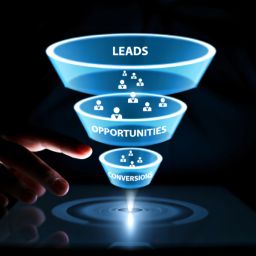
Before your team can put lead data to use, you need to know what it is and how to access it. “Lead data” refers to any information tied to a potential buyer—things like their name, contact details, company, location, and even the type of equipment they’re researching. This kind of data is often available through tools like a lead manager. When paired with lead enrichment, you gain an even clearer understanding of a buyer’s needs, behavior, and level of interest.
Knowing Your Buyer Starts with Knowing the Data
Lead data is essential for any sales-focused business—but especially in the equipment industry, where purchases are high-value and buyers often compare multiple options. It gives you insight into who your audience is, what kind of work they’re doing, and how they prefer to shop.
Your latest marketing campaign might check all the right boxes—but if it’s targeting the wrong audience or running in the wrong space, it won’t deliver. Lead data helps you avoid wasting time and budget by making sure your outreach speaks directly to the right buyer.
When your sales and marketing teams have access to the full picture, they can coordinate efforts to meet buyers with the right message at the right time.
Tools That Help You Collect Quality Lead Data
Lead generation doesn’t have to mean cold calls and guesswork. You can collect your own lead data in a way that benefits both you and your buyers. For example, adding a contact form to your website is a simple way to gather data from interested prospects. You can even offer an incentive, like an equipment checklist or a seasonal discount, to encourage signups.
Lead Manager and Lead Enrichment tools can also streamline your process, helping your team organize, prioritize and respond to the best leads more efficiently—especially when dealing with multiple product types and sales cycles.
Other lead-gen options include Google Lead Form Extensions and LinkedIn Lead Gen Forms, which allow potential buyers to submit contact info directly through targeted ads. Facebook Lead Ads are also useful, particularly for reaching contractors and business owners already on the platform. These ads can even pre-fill contact forms using a person’s Facebook info, making it easy for them to engage.
Don’t Overlook In-Person Lead Opportunities
Industry events, equipment expos, and demo days are still extremely valuable for generating leads. Many buyers prefer to meet someone in person before committing to a large purchase—and these events allow you to build trust, showcase your expertise, and collect high-quality contact info for follow-up.
The Bottom Line: Better Data, Better Results
Every dealership should be using lead data as part of their marketing strategy—but the most successful ones rely on a variety of tactics to build a complete picture of their audience.
Equipment dealers in particular can benefit from having clear, accurate lead data to guide their sales approach. Whether you’re selling to large companies or small contractors, knowing what they need—and where they are in the buying process—helps you prioritize the most valuable leads.
With lead data, you’ll be able to stretch your marketing dollars further, increase your conversion rates, and better understand your buyers’ preferences. The more complete the picture, the more effective your team will be in delivering the kind of experience that closes the deal.